
Hi, I’m Sydney!
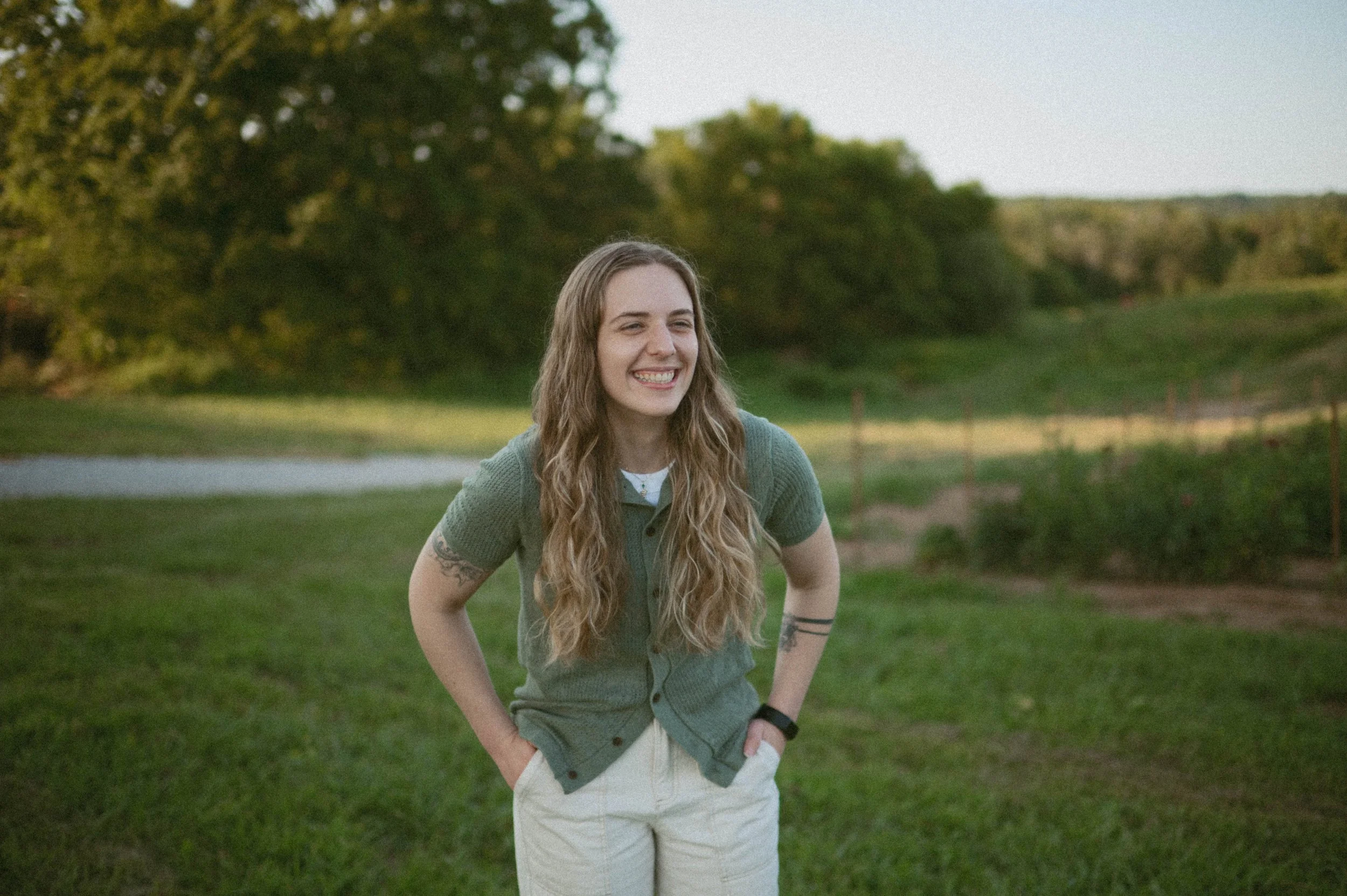

Photo by Foxtail PhotographyI’m a clinical social worker and therapist, and I founded Kindred Minds to offer care that’s affirming, collaborative, and grounded in lived experience.
I was drawn to social work long before I had language for it. I knew I wanted to help and serve others as a child, and that instinct looked like dreams of being a teacher or a librarian—roles rooted in care, learning, and accessibility. Over time, that calling found its home in clinical social work.
How I Found My Way to This Work

I didn’t fully recognize the gaps in neurodivergent care until I was diagnosed with ADHD in my mid-twenties. That experience reshaped how I understood mental health systems, diagnosis, and the ways neurodivergent people are often misunderstood, misdiagnosed, or expected to contort themselves to meet standards that were never designed for them.
In my work as a therapist, I see my role as a collaborator and facilitator. I believe much of the knowledge and capacity for growth already exists within you. Therapy is not a quick fix, and it isn’t something that can be done for someone. Meaningful change happens when the right supports create space for what is already there to emerge.

I didn’t fully recognize the gaps in neurodivergent care until I was diagnosed with ADHD in my mid-twenties.
nervous system regulation, and an understanding of stress responses—before pathologizing or pushing insight alone. I work intentionally to protect clients from the guilt and shame society often places on people it does not understand, particularly those who are neurodivergent.
I wish more professionals understood the lived realities of neurodivergent people—especially how societal expectations, brain chemistry, and co-occurring diagnoses intersect. Misdiagnosis and oversimplification cause real harm. I also reject the idea that “everyone is a little on the spectrum,” which minimizes autistic experiences and contributes to misunderstanding rather than inclusion.
Diagnoses like ADHD and Autism have long been gatekept and framed as frightening or deficit-based. Many so-called “gold standard” assessments are inaccessible, unaffordable, or not affirming, creating unnecessary barriers to care. I believe assessment and therapy should increase access and understanding, not fear or exclusion.
My approach prioritizes foundational needs,
Kindred Minds represents a connection point for clients, peers, and myself

Especially for those who have felt othered or on the outside, even when surrounded by people who meant well. My hope is to create a space where individuals who have been misdiagnosed, mistreated, or hesitant to explore their needs can feel safe showing up as their full selves—and be seen for who they are, not who they were expected to be.